A Ultimate Handbook to Fantasy Sports: Strategies, Sites & Winning Pointers
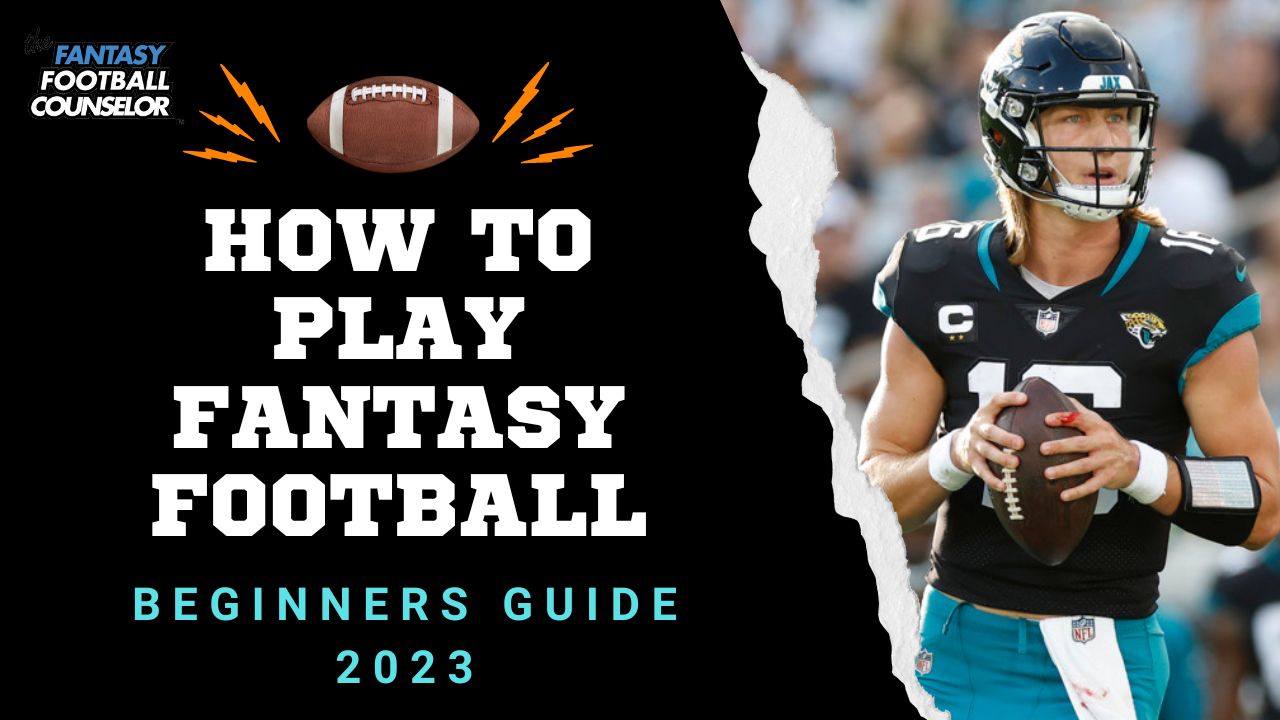
Fantasy Sports started in the 1960s when Oakland entrepreneur Wilfred "Bill" Winkenbach founded the initial fantasy football league. Since those simple beginnings, this online competition has expanded into a worldwide trend enticing over 60 million competitors in North America specifically.
Current fans can choose between full-season engagements that mirror actual sports calendars or short-term contests providing immediate satisfaction through fast-paced formats. Each style draws in varied user profiles, with varying levels of involvement and planning requirements.
Throughout this all-inclusive manual, beginners will discover fundamental fundamentals while seasoned managers get elite methods to lead their leagues. Whether you're assembling your introductory team or pursuing that title edge, these guidelines will transform your fantasy mindset.
Exploring Fantasy Sports?
Fantasy Sports let competitors to create virtual teams using professional athletes whose real-world statistical performances convert into points within a game-based framework. These virtual contests establish simultaneous competitions where awareness, planning, and sometimes chance decide outcomes.
NFL football dominates the fantasy landscape, but basketball, baseball, hockey, soccer, golf, and even emerging esports have established dedicated communities. Each sport has distinct scoring systems reflecting the particular statistics considered in those athletic competitions.
Daily Fantasy Sports (DFS) dramatically differs from seasonal season-long formats by shortening the experience into compact timeframes. While season-long leagues demand months of commitment through waiver moves, trades, and lineup decisions, DFS contests resolve quickly sometimes within a single day allowing players to reconstruct entirely new rosters for future competitions.
Ways Fantasy Sports Run
Snake drafts serve as the most popular selection method, alternating order each round to maintain fairness, while auction formats give managers fixed budgets to target players. Best ball does away with weekly lineup decisions by instantly using highest-scoring players.
Scoring systems fluctuate dramatically across platforms and sports. Point-Per-Reception (PPR) rewards NFL receivers with extra points for catches, whereas standard formats prioritize primarily on touchdowns and yardage. Custom leagues permit commissioners to alter values, creating unique strategic environments.
Redraft leagues launch fresh annually, needing complete team reconstruction. Dynasty formats enable managers to hold most roster spots between seasons, focusing on long-term player development. Keeper leagues maintain a middle ground, permitting teams to hold onto limited player cores while revamping remaining positions through annual drafts.
Selecting the Ideal Fantasy Service
ESPN provides excellent broadcast integration, showcasing video content and analysis instantly alongside management tools. Yahoo presents intuitive interfaces with comprehensive free offerings. Sleeper has revolutionized the mobile experience with interactive features and modern design elements targeting younger demographics.
DraftKings succeeds with tournament variety and competitive promotional offerings. FanDuel upholds somewhat simpler gameplay mechanics, making it accessible for beginners. Underdog has built a niche through original "pick'em" contests combining player props with fantasy concepts.
Mobile applications now control fantasy engagement, though desktop platforms typically provide full functionality for in-depth tasks like draft preparation read more or trade analysis. Serious managers often use both formats, leveraging each platform's strengths according to specific needs and circumstances.
Pick Day Tactics
Preparation initiates weeks before roster time through steady mock draft participation, reviewing expert rankings, and following Average Draft Position (ADP) data. These activities create familiarity with player valuation patterns and typical draft flows.
Strategic-value drafting determines relative worth above replacement-level players at each position, boosting roster efficiency. Best-player-available approaches disregard positional considerations to gather raw talent, fixing balance later through trades.
Role-specific scarcity necessitates detailed consideration of supply/demand dynamics. QB-focused drafting strategies generally underperform because high-quality options remain in later rounds. Conversely, premier running backs need premium consideration due to fast talent dropoff and injury susceptibility creating position-wide volatility.
During the Season League Oversight Tips
Wire wire attention separates top teams from also-rans. Effective managers invest ample resources toward following breaking news, injury reports, and emerging statistical trends. Readiness outperforms reactivity when acquiring newly valuable assets.
Transactions efficiently requires understanding mental motivations beyond pure player valuation. Recognizing roster imbalances among opponents presents mutually beneficial exchange opportunities. Consistently begin negotiations with balanced offers, avoiding insulting proposals that harm future trading possibilities.
Bye weeks call for early planning rather than scramble-style adjustments. Prepared managers distribute these scheduled absences across roster positions during draft construction. Injured stars often become acquisition targets from struggling teams needing immediate production, providing patient managers with playoff-peaking assets.
DFS-Specific Approach (Daily Fantasy Sports)
Game selection significantly influences effective strategy. Cash games (balanced pools, Double-Ups) benefit consistency and stable players. Guaranteed Prize Pool tournaments (GPPs) necessitate contrarian thinking and max-output to diversify entries among thousands of participants.
Budget management principles advise controlling tournament exposure to 10-20% of available funds, avoiding variance from eroding resources. Conservative growth approaches build long-term viability within this high-variance format.
Pairing correlation through quarterback-receiver combinations elevates point potential during productive offensive performances. Considering Vegas betting lines, weather conditions, and defensive matchups provides contextual edges against unprepared opponents.
Research tools keep evolving, with player projection models, lineup optimizers, and ownership forecasts becoming increasingly advanced. Balancing these resources without overusing on them gives competitive advantages against both technology-dependent and instinct-driven competitors.
Fantasy Sports and Sports Betting: Where They Converge
Classic sports betting and fantasy competitions possess analytical foundations even with structural differences. Both formats reward statistical analysis, situational awareness, and discovery of market inefficiencies.
Player prop wagers closely mirror fantasy point expectations, introducing arbitrage opportunities for savvy participants who recognize discrepancies between these related markets. Line shopping across multiple platforms functions equally in both domains.
Legal considerations vary substantially by jurisdiction, with regulatory frameworks progressing quickly across states. Conscious engagement requires understanding applicable laws, setting strict budgetary constraints, and maintaining perspective on entertainment value versus financial motivations.
Avoidable Blunders to Sidestep
Team-based bias frequently disrupts rational decision-making. Managers inflate players from beloved teams while bypassing rivals despite statistical projections. Title-worthy play needs emotional detachment during analysis processes.
Head-to-head analysis extends beyond basic rankings. Weather impacts, scheme adjustments, personnel changes, and motivation factors offer deeper context for performance expectations. Basic research yields surface-level results.
Roster inertia prompts managers to hold onto underperforming players due to draft capital investment. Savvy teams ruthlessly evaluate production rather than reputation, taking difficult decisions without sentimentality. Yesterday s performance predicts nothing about tomorrow s outcomes.
The Evolution of Fantasy Sports
Best ball formats continue increasing in popularity by eliminating time-consuming weekly management requirements while maintaining season-long engagement. Pick'em contests simplify the experience further through player-versus-player propositions rather than complex roster construction.
NFT integration has commenced reshaping ownership concepts within fantasy ecosystems. Blockchain verification allows distinct digital assets representing team ownership, achievement records, and collectible moments from fantasy competitions.
International expansion presents massive growth potential, particularly across European soccer markets, Australian rules football communities, and cricket-dominant regions. Cultural adaptation of contest structures will fuel global accessibility.
Artificial intelligence progressively drives analytical tools, analyzing vast information quantities beyond human capability. Machine learning algorithms spot subtle performance patterns, injury indicators, and matchup advantages, revolutionizing research methodologies across casual and professional fantasy participants.